
Robotics Stocks Shift to Execution Mode

Good morning!
As Trump’s tariffs continue to spook the markets, there’s a lot moving under the radar.
The robotics sector has entered a quieter phase this week as the post-CES news cycle faded and small to mid-cap companies have shifted focus back to operational execution.
While the week lacked the headline announcements that dominated the first half of January, several developments revealed how different corners of the market are processing the robotics investment thesis.
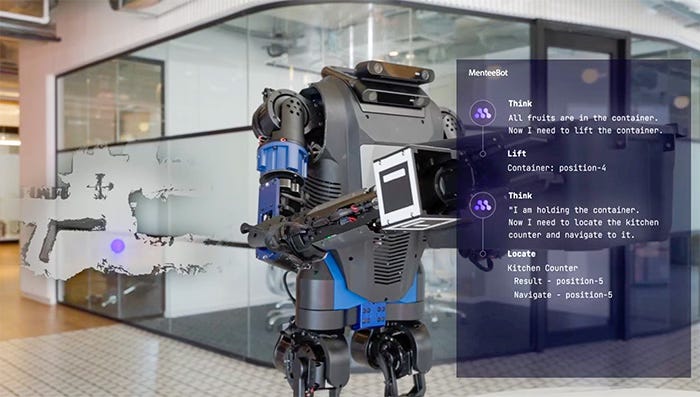
Mobileye Global (MBLY) announced plans to acquire Mentee Robotics for $900 million, one of the more significant M&A moves in the humanoid robotics space. Mentee Robotics is developing a vertically integrated humanoid robot called MenteeBot, with production slated to begin in 2027 alongside partner Aumovio and long-term household deployment goals by 2030. Mobileye co-founder and CEO Amnon Shashua, who is also a co-founder of Mentee, maintained a measured outlook regarding the go-to-market strategy, citing the current developmental state of humanoid technology. The deal highlights how established players in adjacent sectors are positioning for the humanoid market, though deployment timelines remain years away (at best).
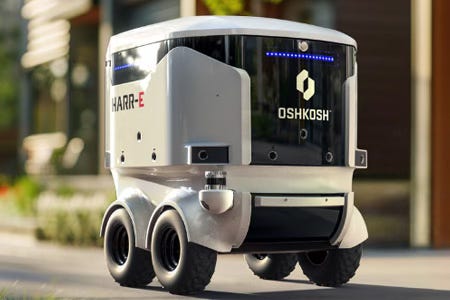
Oshkosh Corporation (OSK) updated its HARR-E autonomous refuse robot, a system designed for on-demand refuse collection that residents can summon via smartphone or virtual assistant. The company cited its six-year partnership with Canvas focusing on innovation across robotics and automation sectors. While the announcement received limited market attention, it represents the type of specialized industrial application where robotics deployments are moving beyond prototypes toward commercial viability in narrow use cases.
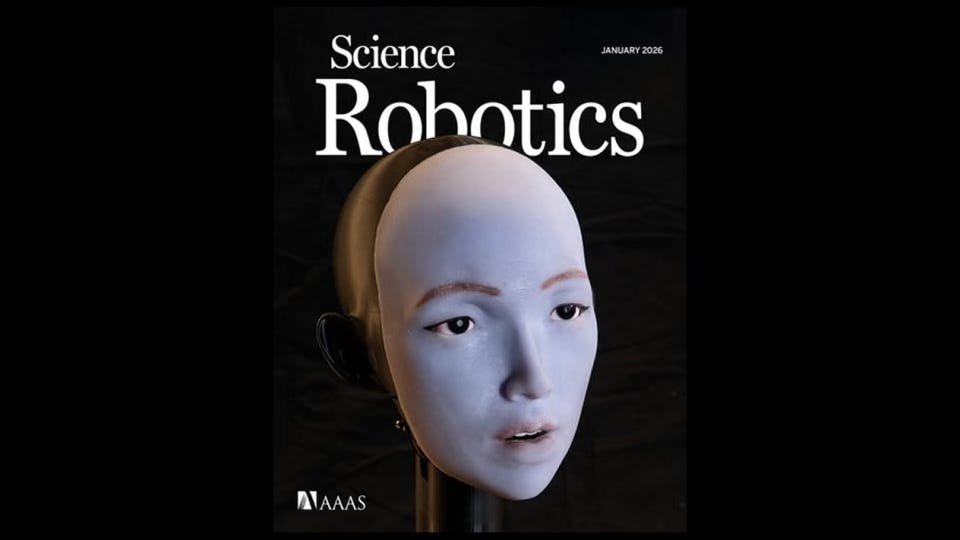
Columbia Engineering published research on January 15 demonstrating a breakthrough in humanoid robotics where a robot learned realistic lip movements for speaking and singing by watching its own reflection and studying human videos online. The findings, published in Science Robotics, address a major challenge in the “uncanny valley” phenomenon where poor lip movement makes robots appear unsettling. The robot formed words in multiple languages and performed a song from its AI-generated debut album, learning through observation rather than preset rules. While strictly an academic milestone, the research highlights ongoing progress in making humanoid robots more natural and acceptable for human interaction.
The broader context showed a market digesting what robotics progress actually looks like in 2026. An industrial robotics market report published yesterday (January 21) projected the global market growing from $26.99 billion in 2024 to $235.28 billion by 2033 at a 27.2% compound annual growth rate, driven by global labor shortages and reshoring trends.
What to watch next week: RoboDEX Tokyo runs January 21-23, 2026, Japan’s leading robotics technology exhibition focused on both industrial and service robotics, which may produce announcements from Asian robotics companies. Track any follow-through on Mobileye’s Mentee acquisition as market participants assess whether the $900 million valuation sets a benchmark for humanoid robotics startups.
If this piece helped you, like it, share it, or repost it on Substack, it really helps my work reach more readers like you, and consider subscribing to receive new posts directly to your inbox!